
INTERVIEW
Zsolt Pozsgai - INTERVIEW
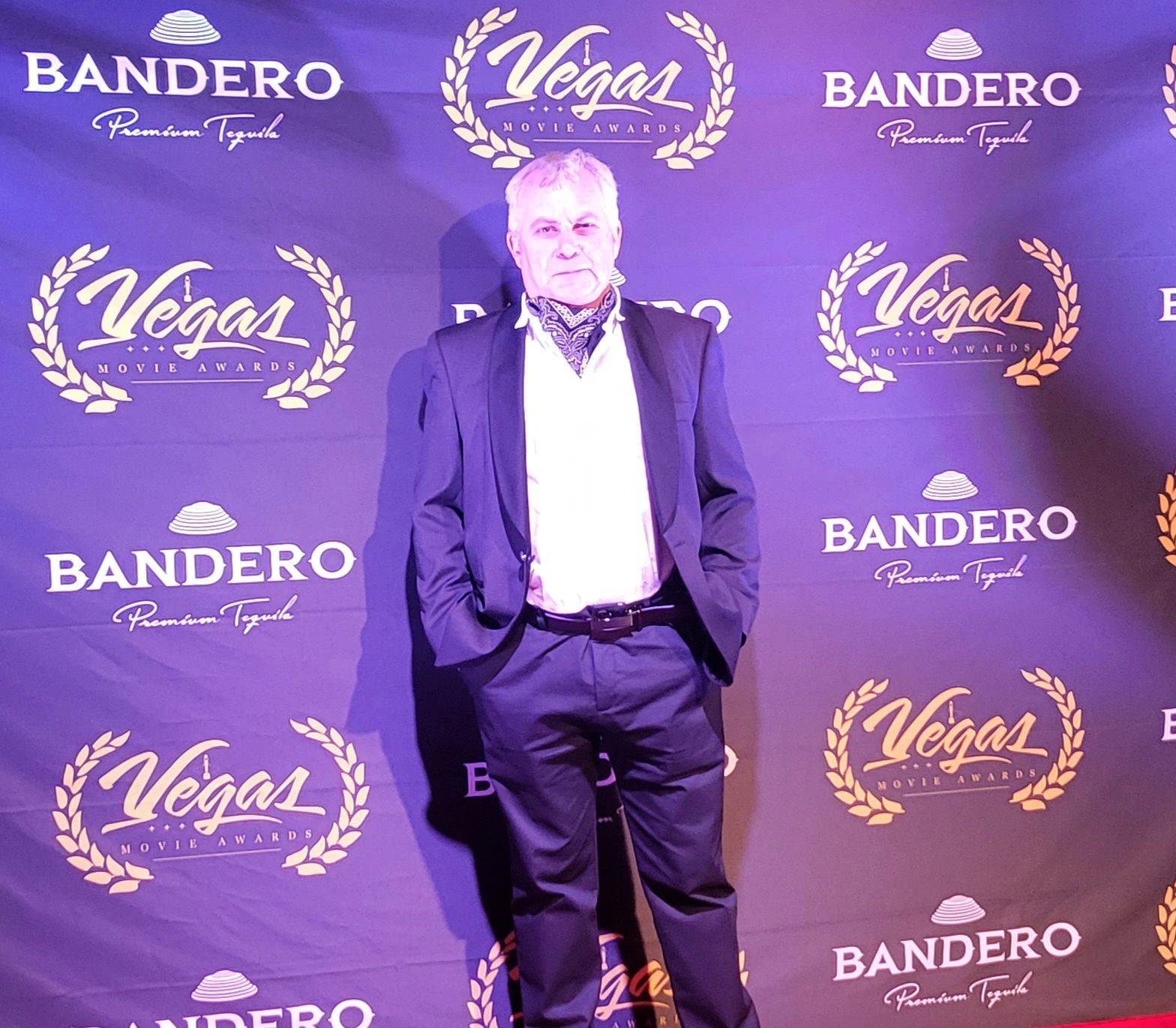
Since 1992, he has regularly directed in Hungarian and foreign theatres. He has a particular love for the dramas of Ibsen. He has directed the stage version of Sándor Márai's world-successful novel several times, in French in Geneva and Avignon. He started his film career as a screenwriter. In 2006, he was given the opportunity to shoot his first feature-length film, CSENDKÚT. During his career, he has repeatedly served as advisor to the Minister of Culture. He is regularly invited to jury international festivals abroad, mainly in Eastern countries (Delhi, Baghdad, Tehran, etc.). He has taught at the Hungarian Film and Theatre University and other private art schools. He is the editor of the "National Library" series of books on the values of Hungarian literature.
When did you decide you wanted to be a director/ screenplayer?
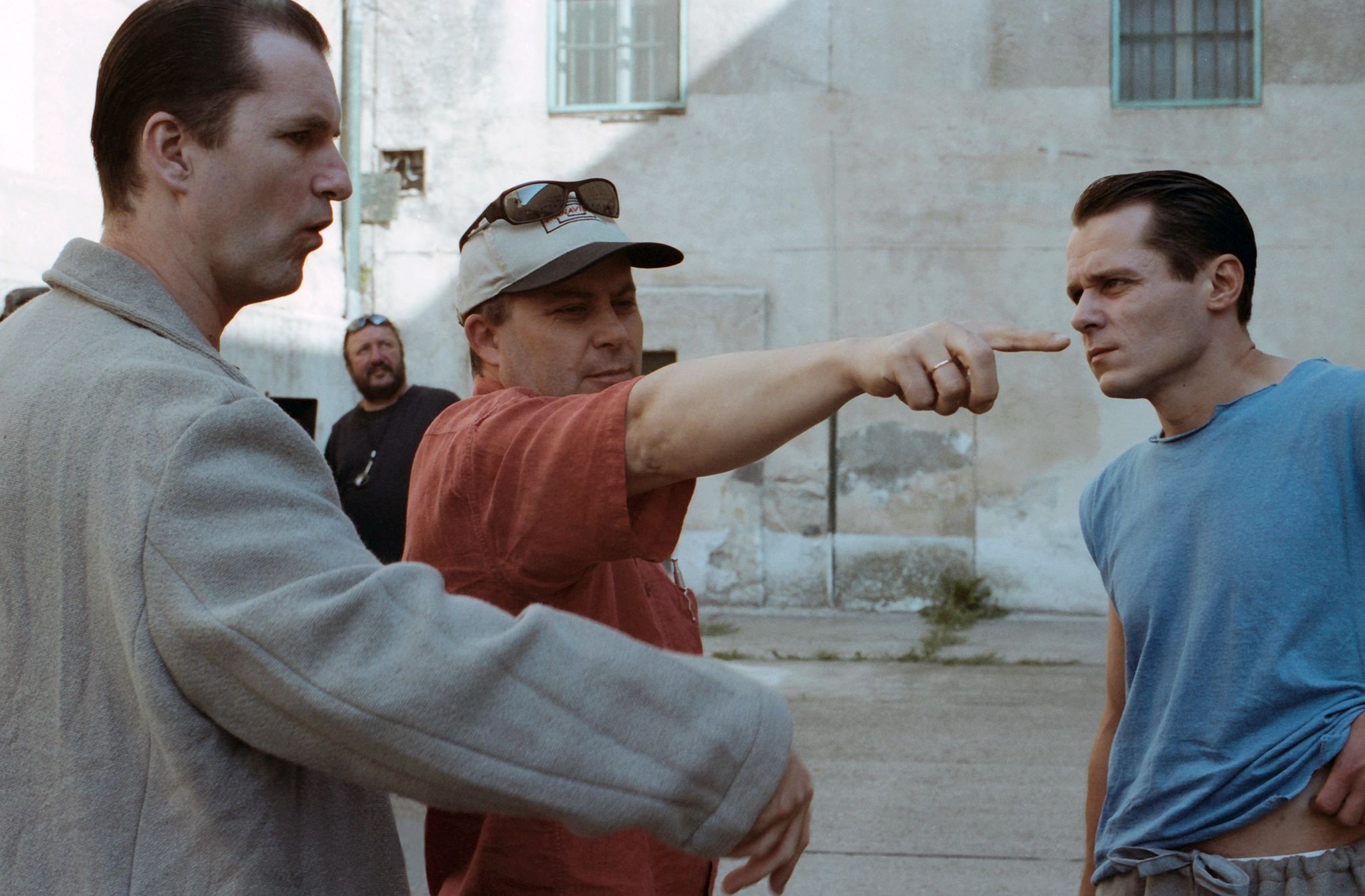
I spent my childhood in the theatre in my hometown, and I knew then that writing and directing would be my life. I really started in the theatre, then 18 years ago film directing came into my life and since then I have written and directed films in many genres.
How did your family react?
My father also worked in the cultural life. But like any parent, it's hard to believe that an 18-year-old boy already thinks he knows exactly where his life is going.
Do you have a Muse or a Role Model?
Rather, it was my masters who always guided me in the right direction when I was unsure or needed reassurance. I had a writing master, a directing master and an actor from whom I learned a lot. My muse? A playwright starts writing good plays when he's young and falls hopelessly in love with an actress. The rest takes care of itself.
Who's your biggest fan?
Throughout my life, I have been accompanied by those who have loved my work, always very many, and that has made me very happy. I am particularly happy that recently I have been considered a master by many young people. When time goes by and young people accept you and love you - that is the real joy.
What brings you inspiration the most?
Many things. I'm usually interested in historical topics, those that are still relevant today. To show that there have always been situations in history that are problems of today. And so it's easier to find solutions.
Which actor or director would you like to work with?
I always direct my plays and films myself. I like it when a director from another country does the work, but for me writing and directing is a process. It's called a creative film. I am happy to work with any talented actor. In Hungary, in my country, I am famous for discovering new actors that the audience didn't know before. And every such discovery is a great pleasure.
Have you ever seen a film that was better than the book?
No. I've seen people say that the book was great and the director messed it up. As I teach screenwriting at university, I know of many such examples. I don't believe that you can make a good film from a bad script.
What’s the movie that taught you the most?
I had a wonderful youth, because even in my high school years, Hungarian cinemas only showed the best Italian, French, English or American films. Back then, it was not all about worthless, clichéd films. The first film that determined my later career was Bob Fosse’s ALL THAT JAZZ, and later on FORREST GUMP made the biggest impression on me. And of course the great Hungarian films. In them there is comedy and tragedy, irony and drama at the same time. That’s the way of our times, tragicomedy. That is why these films are still valid today.
About your artistic career, have you ever had the desire to quit everything?
Never. Why would you? Many people like me, they are waiting for my new works. I don't have time to think about it.
On set what excites yuo the most?
How does the acting, the cinematography, the lighting match what I had in mind when I wrote the script. What I felt when I was writing it. To get the same experience back on the set.
And what scares you the most ?
I'm not the fearful type. I don't remember ever having to be afraid of anything. To doubt it, yes, you have to doubt it until it happens. But doubt is one of the most important elements of artistic work. But when you are a director, you must never let others sense your doubts. They need to see that you are leading them with a steady hand in the right direction.
What's your next project?
I'm working on a ballet film, a film that can be understood in all countries. With many international dancers. The theme is the birth of eroticism, and it takes place in primitive society, in prehistoric times, at the beginning of humanity. When speciesism was suddenly replaced by eroticism, emotions and love. And I think that's what made man human. I'm interested in the process of that, told in the language of dance. So far there is no producer. If you know one, let me know! Thank you.
You can steal the career of an artist you really admire, who do you choose?
All artists who create in every moment. Who never runs out of stories. Chinese philosophy teaches that you live as long as you have dreams. I still have a lot of dreams.
For you Cinema is....
...a form of catharsis. Only true art can create a catharsis that can change the lives of its audience. Cinema is an art form, there is no other art form where so many different kinds of art work together. It is the director's job to harmonise them.
Do you think Black and white movies have a powerful impact?
It's fashionable nowadays to make black and white films again, because reality is so complicated and colourful that we're getting tired of it. The new technique of black and white film can also create a multitude of shades of black and white. Yes, it can have a powerful effect. If it's good.
Have you ever dreamed of winning an Oscar?
No. I have won many awards in the world with my films, hundreds of them. I'm much happier with the audience of an honest, small festival and the award I get than if it was in Hollywood or somewhere like that. Last year I received my Lifetime Achievement in Film Award in Las Vegas, I accepted it in person. I was more pleased than if it had been in Hollywood. I'm sorry, that's just the way I am. But if an actor in one of my films got an award there, I would be happy.
Do you think you're gonna win it?
I don't think so. I make a different kind of film than the ones that are screened in Hollywood. I'm travelling to a beautiful French city, Montpellier, to accept an award. Why should that be less fun than Hollywood?