
INTERVIEW
Seon Shim- INTERVIEW
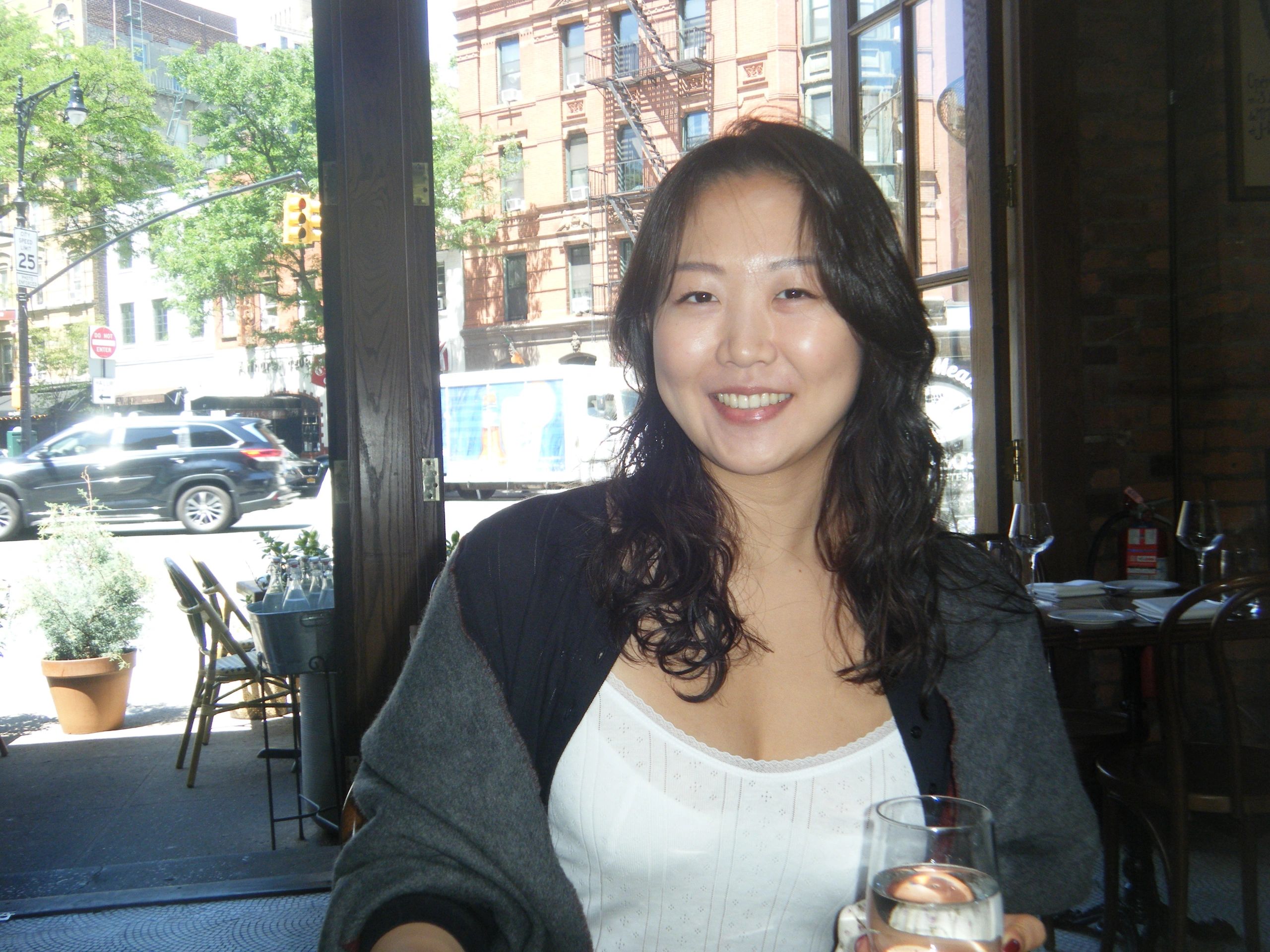
Seon Shim is a documentary filmmaker. She is a Culture and Media alumni at the New York University. One of her first documentaries is about a Korean-Australian immigrant and her experience during the Korean War. Her work is based on her fundamental belief that any ethnography research should be legible to its interlocutors. She plans to continue creating new, innovative ways of producing visual ethnography. Seon is also a graduate student pursuing PhD in Anthropology at the University of British Columbia. Her primary interests lie in production sites for representations of disability within the audiovisual mediascapes of film and television.
Do you prefer Comedy or Drama?
I lean more toward drama, but I enjoy when it carries a touch of comedy. Some of my favorite films are Girl, Interrupted(1999), Lady Bird (2017), and Parasite (2019).
Life imitates Art or Art imitates Life?
I think it’s similar to the chicken-and-egg question. Art grows out of lived experience, but our lives are also deeply shaped by the art we encounter.
Which is the best Moment on set?
The best moments are always the unexpected ones—the accidents caught on camera. Those unplanned fragments often end up giving me the guiding thread of the entire story.
Did anyone ever tell you weren’t good enough?
Yes, many times. When I first studied in the U.S., a classmate called me “a dumb international student,” and another male colleague said I was “too hot” to be a graduate student, let alone a filmmaker. Comments like these reveal how people judge me based on appearance, race, or gender, assuming I’m too soft to endure real challenges. But they don’t understand how resilient I am when it comes to pursuing something I care about. In some ways, those remarks fuel me the most—I know they’re wrong, and I work hard to prove it.
How can you stay focused on your goal?
For me, focus comes from consistency. Breaking tasks into small pieces, setting daily goals, and refusing to skip them—even tiny ones—eventually builds into a much bigger project.
Have you ever had a breakdown because of your job?
Yes, several times. In fact, as both a filmmaker and a graduate student, I face breakdowns quite often. Carrying the weight of high expectations for my work can feel overwhelming at times.
Talent is a blessing or a curse?
Talent is a blessing when used wisely, but it can become a curse if over-relied upon. Depending too much on talent can blind us to the real value of hard work and consistency. I think humility is just as important as talent itself.
What would you like to improve about
yourself as an actor/director/screenwriter?
There’s so much I want to work on, but most of all my cinematography skills. I want to learn how to use different cameras, refine scene composition, and deepen my visual storytelling.
What’s the worst critic you have received?
One of the toughest moments was when someone I worked with called me “arrogant.” I believe they mistook my shyness for arrogance, but it stung. Still, I learned from it—it reminded me to be more flexible, to step outside my comfort zone, and to show effort even in areas where I’m not strongest.
If you weren’t an actor/director/screenwriter what would you like to be?
I would love to be a professor. Teaching is deeply rewarding to me—it’s just as meaningful an exchange as filmmaking.
If Cinema was a color what would it be?
Amber. It carries warmth, because filmmaking is an act of love and care toward the people you film. It holds hope, because cinema strives to inspire change. And it’s fluid with endless possibilities, critiques, and commentaries—all merging into a larger vision.
A day without a movie is...
I’ll be honest—I don’t watch films every single day. But on days when I do, I find myself thinking more deeply, reflecting, and growing in some way.
If someone offered you to play/direct/write in a movie that you despise but that will make you rich and famous, would you accept?
I don’t think I’d ever despise a film unless it promotes something destructive like genocide, sexism, or racism. Other than that, I’d welcome the challenge of exploring any project. Still, I wouldn’t trade integrity for money and fame—it wouldn’t be worth it.
What’s your greatest ambition?
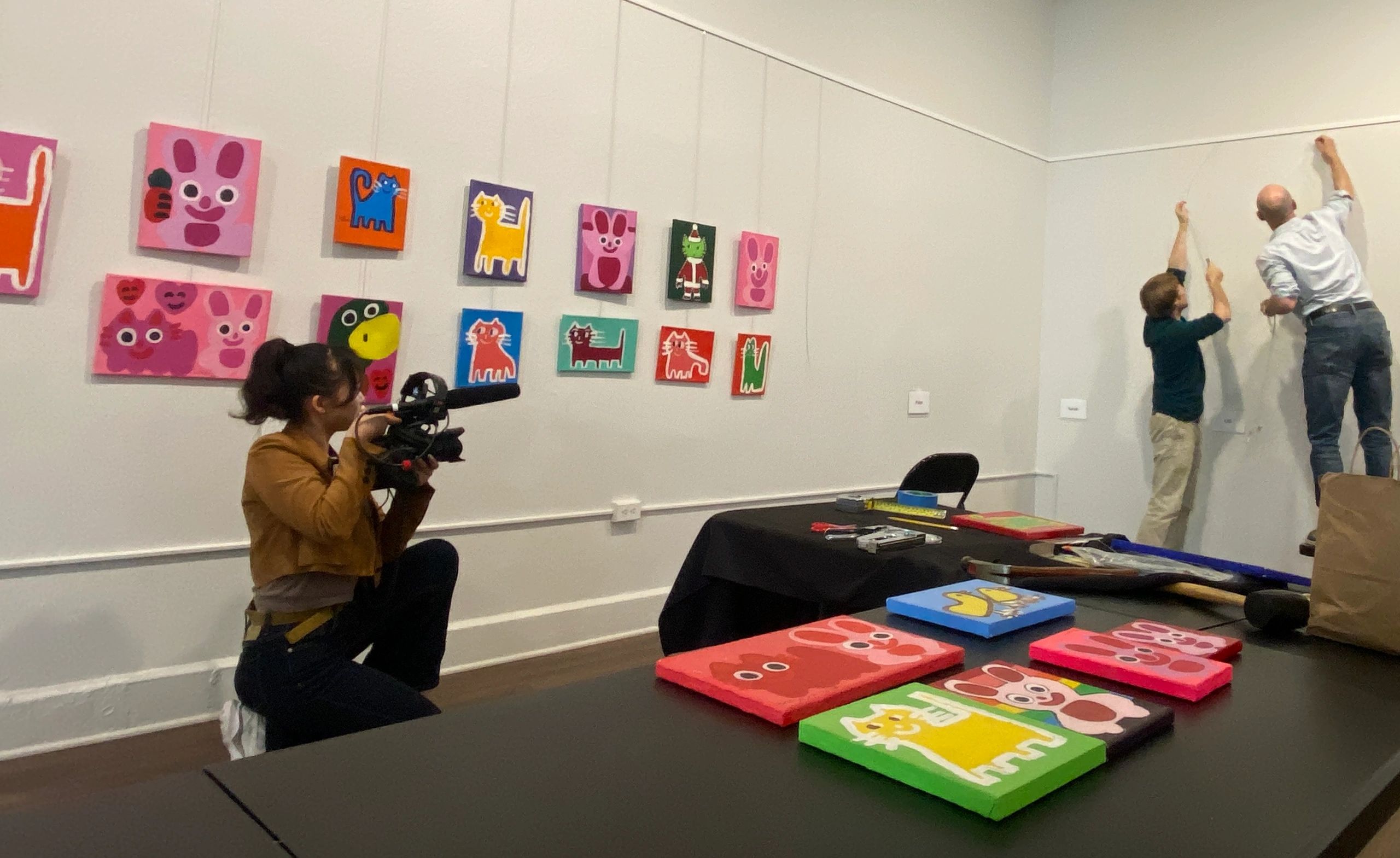
I want to continue collaborating with artists like Jin Li, and I dream of a day when films about people like her receive as much attention, love, and fandom as Marvel movies do.
What’s your biggest fear?
That I’d forget to put an SD card in the camera and miss a crucial scene—that’s every filmmaker’s nightmare.
Does music help you to play/direct/write?
Absolutely. Music has always been one of my strongest inspirations. I often find that the right piece of music unlocks the theme or message I’ve been trying to express—something my subconscious already knows but takes time to surface.
You have the chance to make a Silent movie, what’s your message to the audience?
I would like to collaborate with nonverbal or non-auditory artists for making silent movie. The message would be to portray the richness of their worlds and perspectives.
Share your speech if you should win an Oscar...
Thank you to everyone who saw something valuable in my film. Thank you to Jin Li, Jin Eunchong, and Jin Ju, my best team, advisors, and friends. Thank you Professor Ginsburg, for introducing me to Disability Worlds and for all the hours spent shaping this project. Thank you, mom, for believing in me when no one else did. And thank you to every single person who contributed to making this dream a reality.
Share your contacts:
website: seonshim.net instagram: https://www.instagram.com/se_on_shim?igsh=N2VlZzE1NXMyNTU2&utm_source=qr film website: thecatthatlivesinyourdreams.com linkedin: https://www.linkedin.com/in/seonshim?utm_source=share&utm_campaign=share_via&utm_content=profile&utm_medium=ios_app