
INTERVIEW
Roman Medjanov - Interview
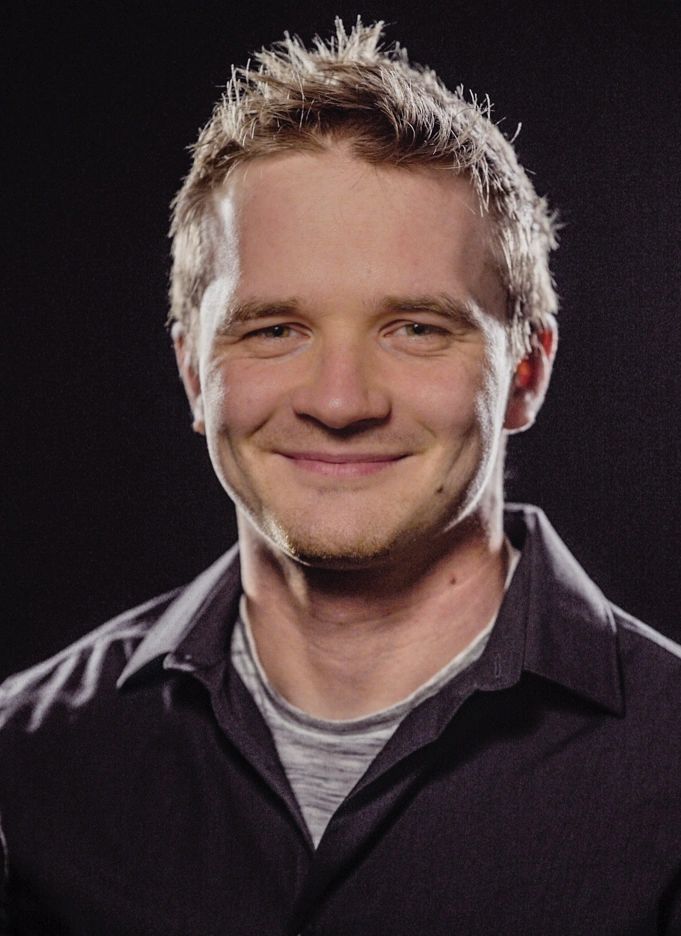
Tell us about your background and when did you decide to become a filmmaker?
I've alway enjoyed films, but I never considered it as a career until at the age of 18 when I got a chance to work a couple days on a film set. After seeing how everything played out behind the scenes, the ultimate organized chaos, I decided to make films my career.
Films that inspired you to become a filmmaker?
I always knew I wanted to do more than just write or direct, I wanted to make movies in any capacity. I remember seeing Avatar (2009) and how immersive of a world James Cameron created. I knew that I would never have it in me to direct something like that, but maybe someday I would be able to produce some as ambitious.
Who is your biggest influence?
I would say my biggest influence is Tony and Ridley Scott. They both have an incredible mastery of creating striking visuals - no matter the genre or which Director of Photography they use, the films are distinctly theirs. And of course I have to mention Ridley's ability to create atmosphere and believable worlds.
What were some of the challenges you had to face in making your films?
The story is always the hardest. There are too many avenues to take when it comes to encapsulating a thesis. Deciding on the direction of the story, its time, place, characters, genre, the infinite possibilities consume a great deal of time before it becomes clear on what paths need to be taken.
Do you have a favorite genre to work in? Why is it your favorite?
I enjoy films that explore bravery, honor, and personal sacrifice – something that most often falls within the swashbuckling genre, I'm thinking anything that involves swords. Films such as Braveheart (1995), Gladiator (2000), Troy (2004), Kingdom of Heaven (2005), etc. are the simplest way to showcase the mentioned themes. The distinction between good and evil, the contrast between the two, is usually more prominent in said genres.
What’s your all-time favorite movie and why?
Probably Braveheart (1995). Everything from the cast, to James Horner's moving score, Mel Gibson's precise use of slow-motion, to the films themes. It's phenomenal filmmaking. Minus the mullets and historical inaccuracies of course...
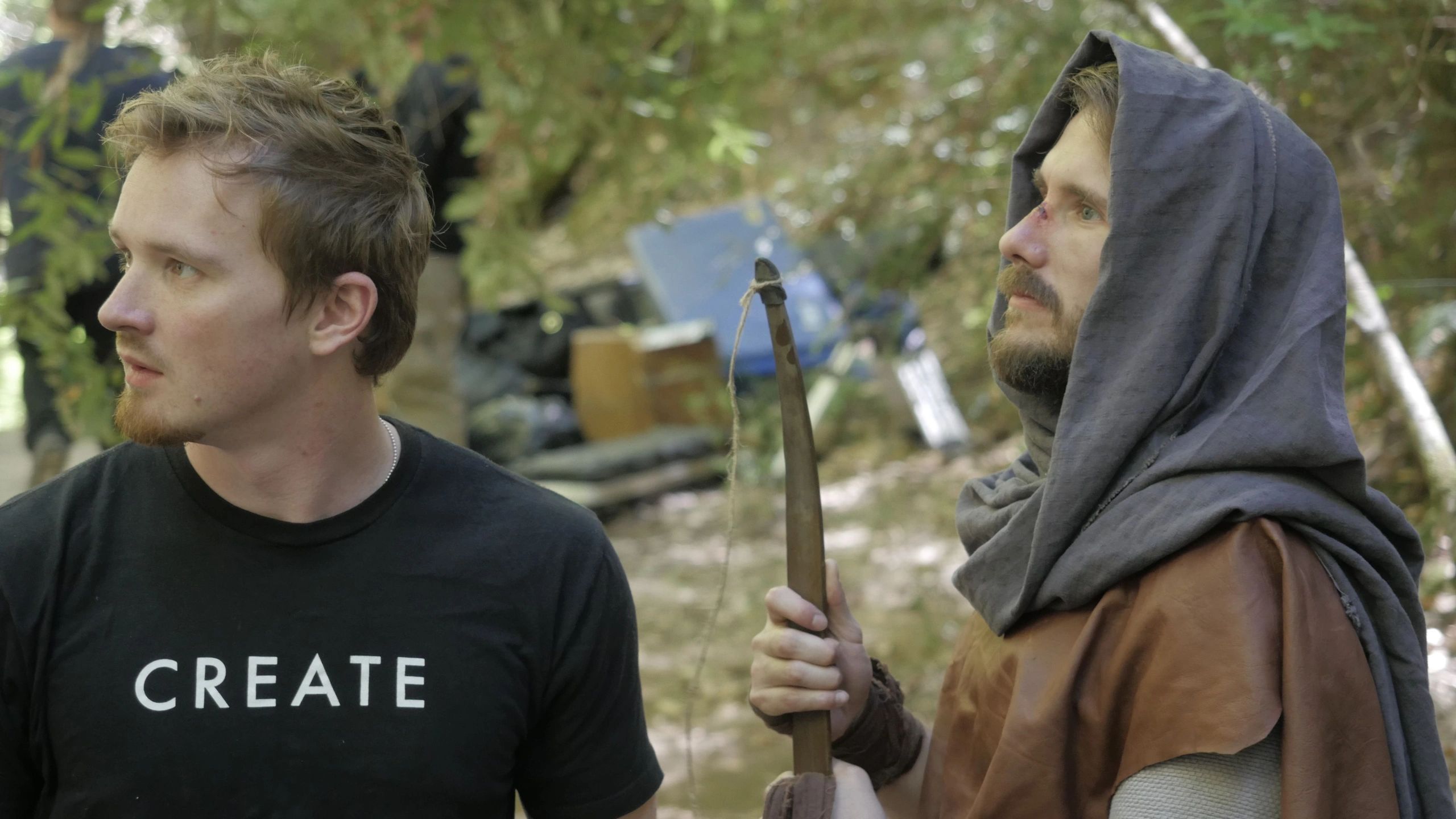
If you could work with anyone in the world, who would that person be?
Joseph Campbell, the man who synthesized the Hero's journey. With him, developing any story or character would be an insightful endeavour as that man was a walking library filled with all the ancient stories and myths.
Tell us something most people don't know about you.
I think that The Thin Red Line (1998) is a better war movie than Saving Private Ryan (1998).
The one person who has truly believed in you throughout your career.
It would have to be my best friend from college, Mike Kaney. He has always held me to the highest standard and had the highest of hope for any of my endeavours.
What was the most important lesson you had to learn as filmmaker?
People don't care about your project as much as you do. When you are in an above the line position it's easy to think that everyone on the crew cares as much about your project as you do, but the sad reality is that mostly it's just a paycheck for people. Once you have that in mind you are in a better position to make judgment calls that positively affect the crew.
Is it harder to get started or to keep going? What was the particular thing that you had to conquer to do either?
It's always harder to keep going as that requires more sacrifice and time. Biggest thing to conquer is your ego and value humble beginnings, no matter how long you have to stay humble.
What keeps you motivated?
I love telling stories, so the possibility of making a film is enough motivation for me.
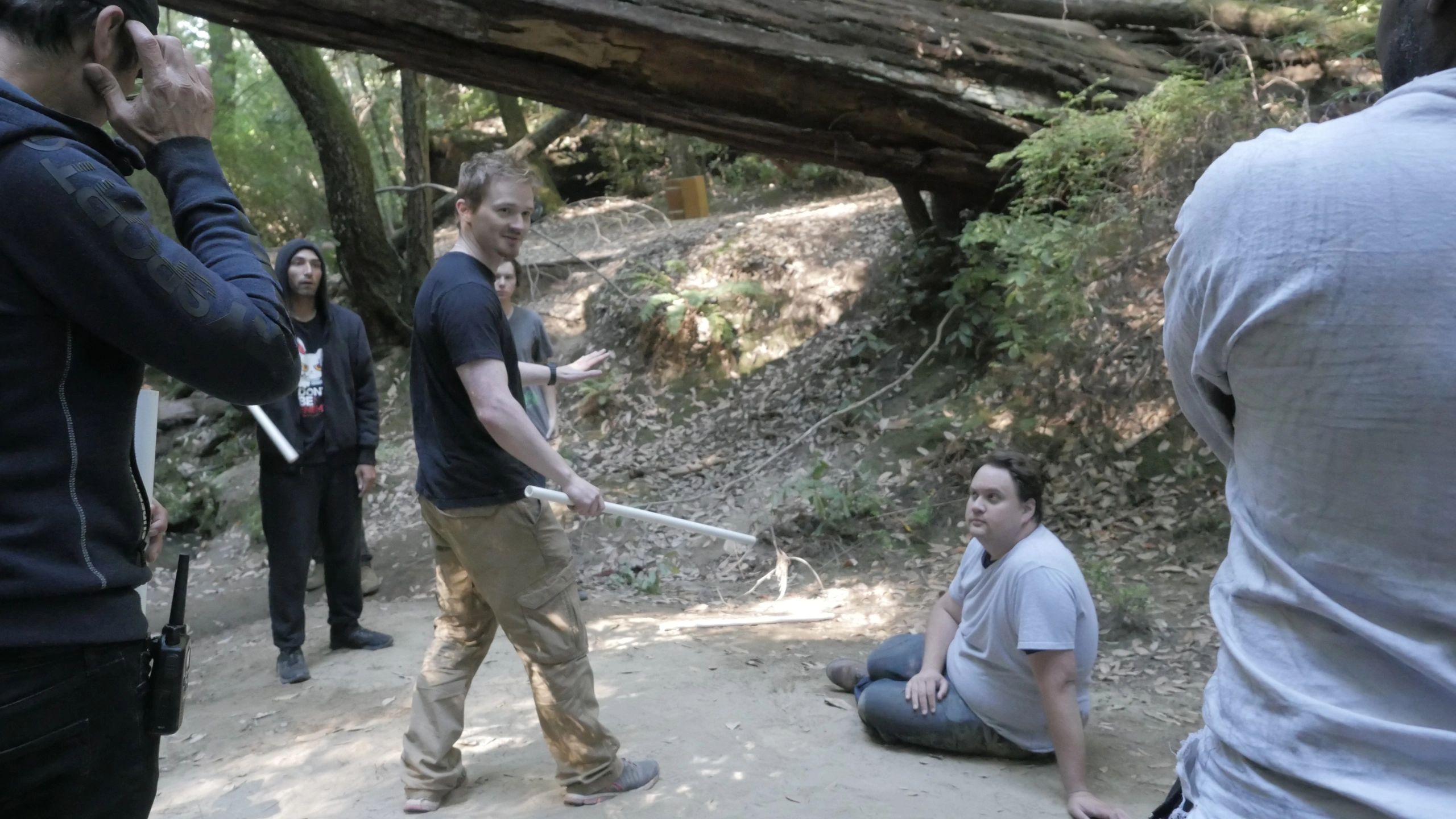
How has your style evolved?
I've become more and more fond of longer takes and longer lenses. It used to be whatever works as I presume that's how most people start. But now I want to enjoy the moments/scenes and at the same time squeeze everything in frame.
On set, the most important thing is:
Staying calm. More things fall apart the quicker you move through your thoughts.
The project(s) you’re most proud of:
I had the opportunity to produce a film in the summer of 2019, titled His Only Son, which is currently in post. So far this is my proudest achievement as a filmmaker.
The most challenging project you worked on. And why?
Probably His Only Son, changing of hats (swath of responsibilities), remote locations, and severe lack of sleep – I might have been the sole cause of Red Bull's revenue spike for the two months of production of the film.
What are your short term and long term career goals?
Short term is to finalize His Only Son and wrap up one of the documentaries I'm working on.
Your next projects?
Currently have 3 narrative projects in development. One period piece and two contemporary stories. And also have two documentaries in production both of which tackle personal hardships.