
REVIEW
Reflections & Projections
directed by Benjamin Filinson
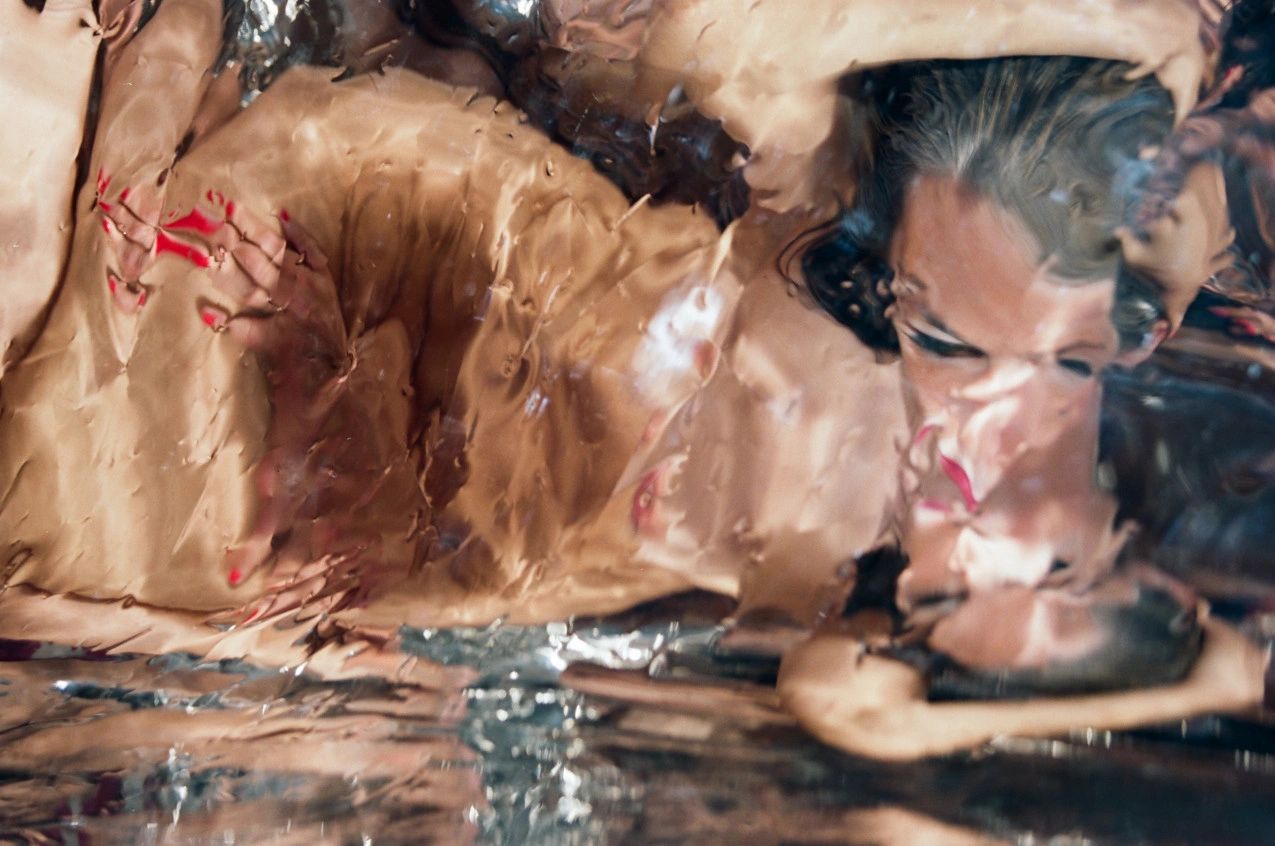
The importance of the title and a director's statement when it comes to experimental films is as necessary as the title of a painting of any artistic current and as the title of a poem. The instinctive perception of the receiver is fundamental, but the author's message is decisive, as he can guide the audience gently without interfering in the formation of the personal idea or sensation.
"Reflections & Projections is the culmination of combining the mediums of painting, still and motion photography to capture the human condition of how we see ourselves in others, through emotional triggering, the way we unconsciously lay our expectations and blames upon them [...]".
So says about his creation Benjamin Filinson, director of this experimental film produced in Los Angeles in 2018.
This eighteen-minute film is divided into two parts that break apart at the tenth minute.
In the first part, Reflections, the focus is placed on the words that are read superimposed in the female body that is portrayed and exposed. It seems a dialogue between partners in which the questions and answers that are read alternate fluidly, getting formed and dying in the images below that depict women's bodies, women's faces, faces painted inside the body of a woman who multiplies and separates continually but whose face always remains in dim light.
The only moment of realism is entrusted to a black cat that has the task of taking us back on the ground, giving us the same feeling that you get when you are brought to shore by a calm wave after being overwhelmed by a ' more violent wave.
The music is perfect because it conveys a sensation of birth, growth, and death, typical of the waves, and therefore follows the rhythm of the film coherently.
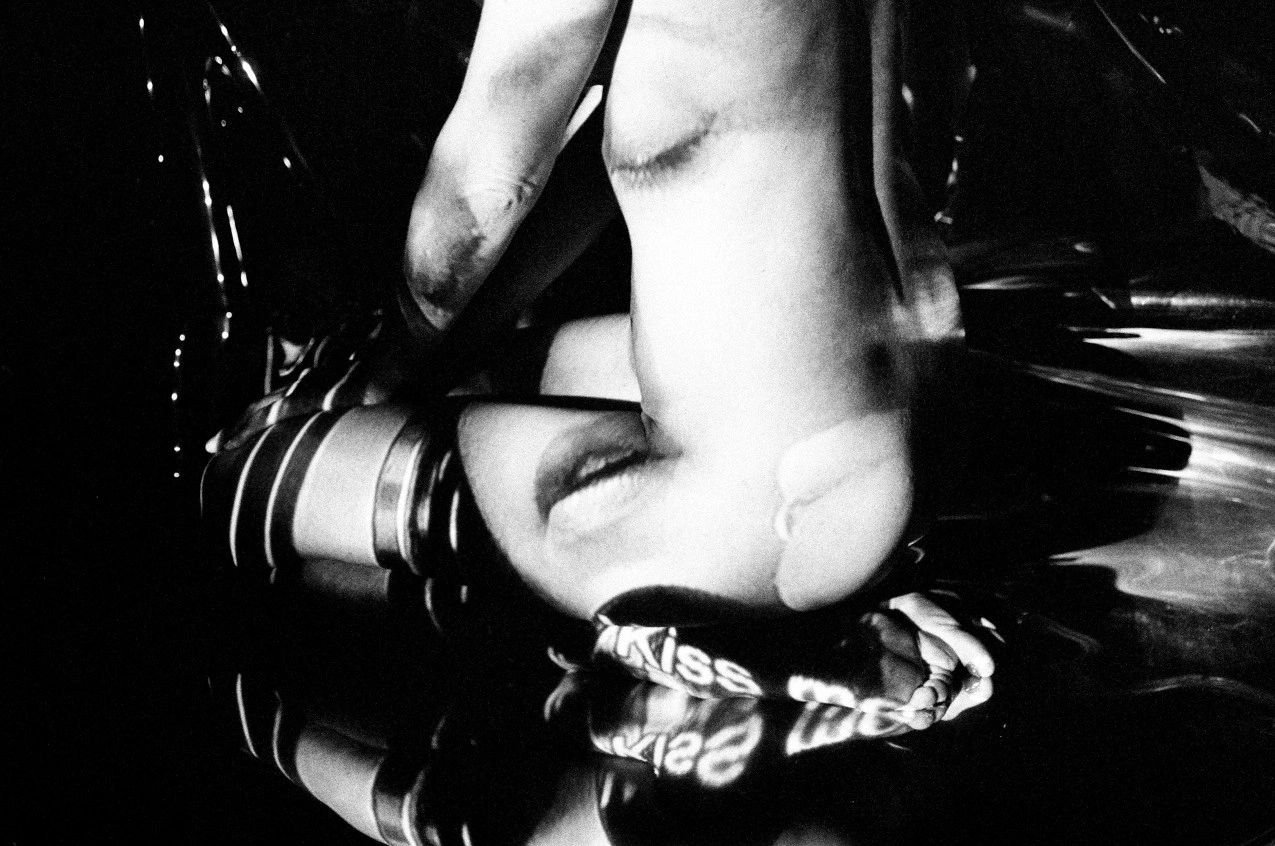
In the second part, Projections, the music changes and loses this sensation of crescendo and diminuendo but becomes more static and constant, perfectly following the style of this second story, in which the images take over the words. The vision becomes clearer, the bodies double as in a broken mirror. The woman now seems less pure, less ancestral, contaminated. Sexuality prevails over interiority, it is more brazen and exposed. In this second part, the external element that suddenly appears is the face of a man, who, like the cat in the first part, drags you down and for a moment makes you stop floating with images and words.
The moment in one of the superimpositions in which the face takes shape in the body that lends itself to the face and whose breast is transformed perfectly into an eye is beautiful. A cry to femininity that seems to be, in silence, the constant theme of this beautiful work.