INTERVIEW
Michael Skigin - INTERVIEW
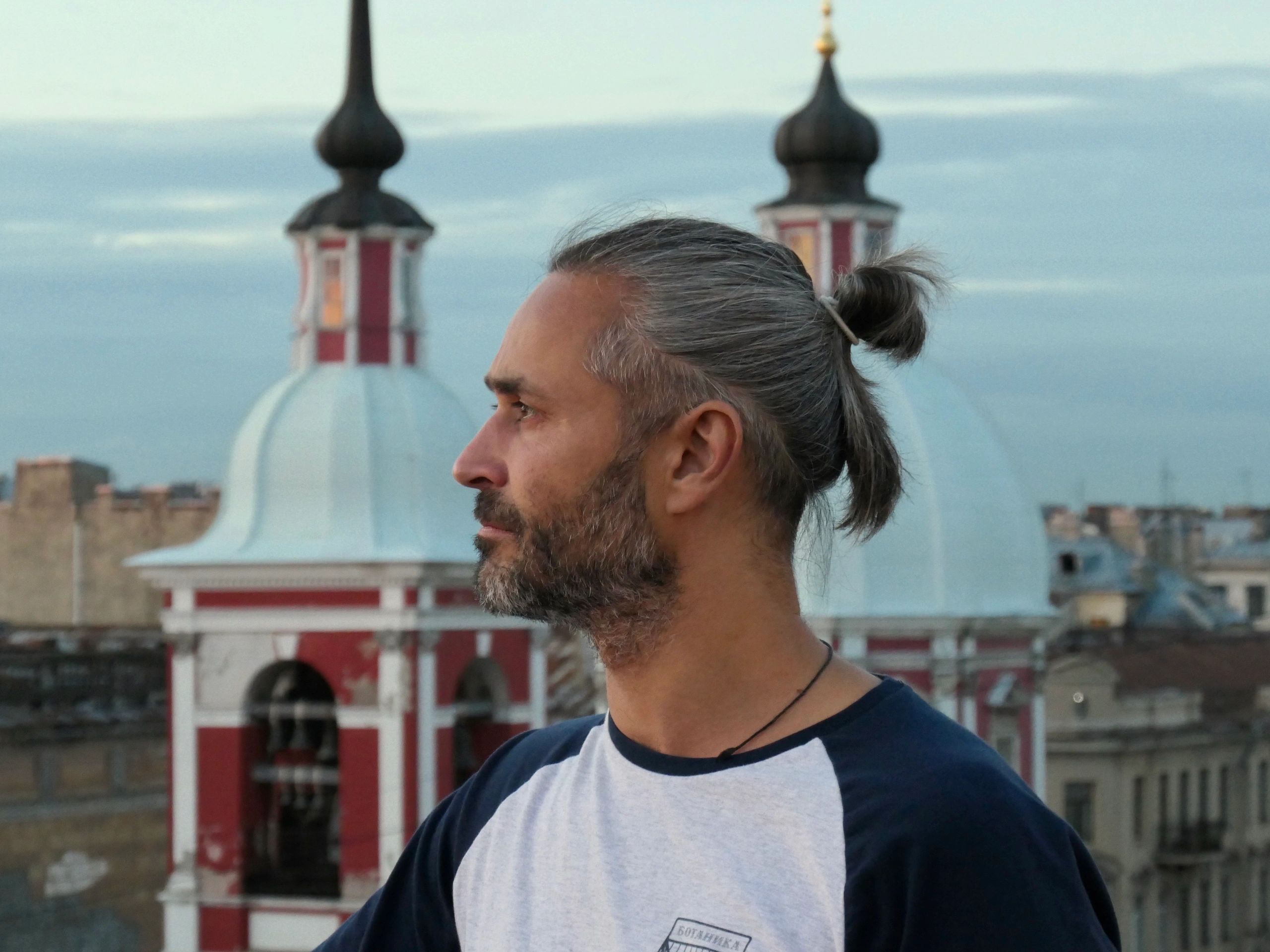
Michael Skigin is a successful entrepreneur, film producer, investor and philanthropist. In 2013 he established “The 2 Captains”, film production and distribution company, together with director Sergei Debizhev, Russia’s most prominent documentary film maker. Michael produced more than 15 nonfiction stories about important issues of our time. Many of them were awarded prizes and diplomas from prestigious international and Russian film festivals. The most recent documentary, “The Holy Archipelago”, was the hands-down winner in the documentary category at the last Moscow International Film Festival (2022) and won more then 30 awards at international and major Russian film festivals.
Thank you Mr Skigin for being here with us, tell us a bit about yourself (Education, where do you come from? Your occupation and projects)
Born in Russia, went to school in Western Germany in 1990, then in Switzerland from 1996 where I graduated at the University of St. Gallen. Had to take over my father's affairs in 2003 to come back to Russia. Became the chairman of the board of directors of the St. Petersburg oil Terminal in 2007 and held this position for 15 years. Since 2003 have become an investor in different projects and fields like pharmaceuticals, vessels, 3d printing and movies.
When and why did you decide you wanted to be producer?
I never thought of becoming a producer until a dear friend suggested me a book. This book was an outcry of a highly intellectual Russian journalist, philosopher and cofounder of the martial art now called Sambo named Solonevich. He was the first to escape a concentration camp and tell the world what was really happening behind the iron curtain. I was a quite frustrated that the Russian population was not aware of him and his thoughts. At the same time, I got to know Sergey Debizhev first as a friend and then as a great director. I decided to ask him on his thoughts about Solonevich. Sergey was thrilled about the idea and we founded 2captains. The first movie was a great success gaining many prizes and receiving great feedback from the audience. My hope was to find at least one listener, at the end there were tens of thousands.
What are what are your favourite films and directors?
I grew up on the movies from the 80ies and the 90ies. I have become a big fan of Stanley Kubrik after attending a course about him at university. Alexey Balabanov, Andrey Tarkovsy, Federiko Fellini, Quentin Tarantino, Martin Scorcese and the Coen brothers have influenced me mainly. Movies like Barraca and Samsara are among my favorite documentaries.
The Holy Archipelago is a fantastic work, how did you and the team come up with the idea of creating this project?
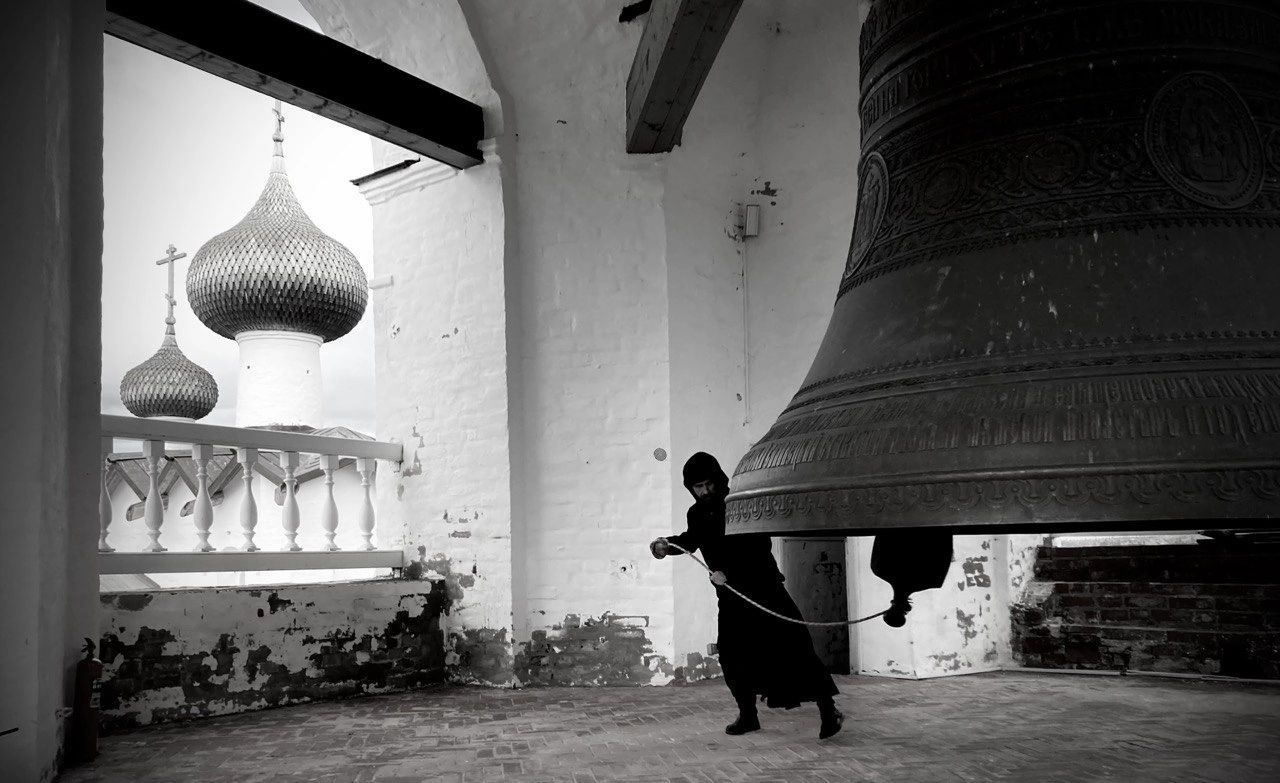
My wife and I were looking for a place to find some inner peace. A friend in Dahab suggested to go the monastery called Solovki. We ended up surrounded by staggering wild nature, bright people and peace of mind on a level that was quite divine. We decided to consult Sergey to make a movie about Solovky. We talked and decided to travel there for a longer period of time to dive into the atmosphere before even attempting writing a script. The team stayed for a couple of months understand that some greater power was pulling the strings of the shooting and this someone meant quite well.
Tell us about the film, what is special about it and why should the audience, in your opinion, watch the movie in cinemas?
The movie gives deep insights on the true life in a monastery at the same time it is very picturesque. The viewer will be guided through a scenery combined with eye-opening interviews that touch the inner soul. The information acquired through this experience is lasting and, according to the large amount of reviews, has a meditative effect on the viewer. The effect is magnified when watched in cinema, since the movie has stunning sound and was shot in 6K.
Is the audience only Russian or international? Who would you suggest this documentary to, and why?
I would suggest this movie to anyone with an open heart. I heard praises from representatives of different religions and they unanimously could connect with the messages that were being transmitted. The insights the audience gets about a life in a monastery can be transcended to different monasteries around the globe. It is with dignity, patience and strong belief in God that you can sustain harsh conditions and peaceful co-living for centuries.
The Holy Archipelago has received a lot of awards internationally, how do you think, what is the reason for this phenomenon?
I think that the movie touches the subject of eternal questions in a unique way. You get to know about possible new ways of thinking from people who willingly are ready to live in harsh conditions to be closer to God. All the messages are reaffirmed by stunning shots of nature combined with music from Vyacheslav Butusov. You basically end up being there on this unique island with monks sharing their lifestyle. I guess it is the combination of great shots, music and deep messages that make this movie a one of a kind.
What are your distribution plans for the film?
The film has been the first Russian documentary for a long time to be shown in cinemas around the country. More than 120 theaters promoted the film for over 3 months. Especially the international nominations (13x?) have encouraged us and made us curious to see if the messages from the film resonate in Asia, US and Europe.
Being producer what excites you the most?
Tell us about your film company, how did you and your team start cooperation?
The company was kicked off in 2013 with a movie about Solonevich called “The Last Knight of the Empire”. We united to finetune the message, the script, the legal framework and much more. We were engaged in a creative process sharing the same dream from day one. We like transmitting thoughtful messages through the art of Cinema. That is our foundation and it turned out to be quite strong.
How do you choose the projects you will work with?
We are developing a set of rules right now that we will publish that will reflect our policy for picking up movies. In a nutshell they should touch a historical component, be educational, have a clear positive message, have no violence and touch the heart. We are working on publishing them as we speak.
What's your next project, tell us about your new film?
The next project takes the viewer on a journey through Georgia, Egypt, Israel, Ethiopia and Russia in a search for the meaning of the orthodox (and non-orthodox) Cross, its impact on society and culture in each region. It will feature interviews with very insightful monks and, thanks to Alexey Nemov, great shots from above and on the ground. Our goal is to take the viewer on a journey to discover new insights for themselves about themselves.
What do you expect from the future for your film company?
After so many years of exciting existence and hard work, patterns occur that start to form your identity. The film company has grown into the age of adolescence and, consequently, shows personality. We hope to have put in eternal values into this personality, but only the audience can judge on that now.
A producer is made of...
Empathy, self-esteem, patience and love for what is being produced.
For you Cinema is...
A portal to a different world. Every movie has its signature of the creators and sometimes you feel so much love expressed through the art of seeing beauty in small details and in the simple things of life, you end up sharing the same feelings for the same things. If we laugh and cry about similar things in life, we can’t be that different. That is quite reassuring considering the circumstances. Maybe this thought of finding reassurance that there is this unbreakable bond between us draws us to have a look at a different world (worldview). Cinema has a great meaning to me for creating bonds between people.
Do you think documentaries have a powerful impact?
The impact of documentaries has been growing with the possibilities and availability of technology. Currently you can afford incredible movie shots at a price of an iPhone. That would have been unthinkable 10 years ago. One must have noticed that quite a few people are using their phones for home documentaries. This was quite a task 20 years ago when you had to buy a camera to have more or less decent quality. Using messengers you see people actively shooting movies about themselves and/or their preferences. Many know now, how difficult it is to shoot in nature, ask real people say something meaningful on camera, put love and effort into the creation of the video and get many views. The documentaries are likely to be appreciated in a new way.
Have you ever dreamed of winning an Oscar with the films you’re producing?
I did not, but my wife shows signs of ambition in that regard. We just love what we do and hope it will be appreciated. Like anyone doing art.
What is the biggest challenge for you?
The balance between being playful in creating messages and the weight of the responsibility that they might have an impact on someone in ways unknown.