
INTERVIEW
LUCA MACHNICH PALMERINI - iNTERVIEW
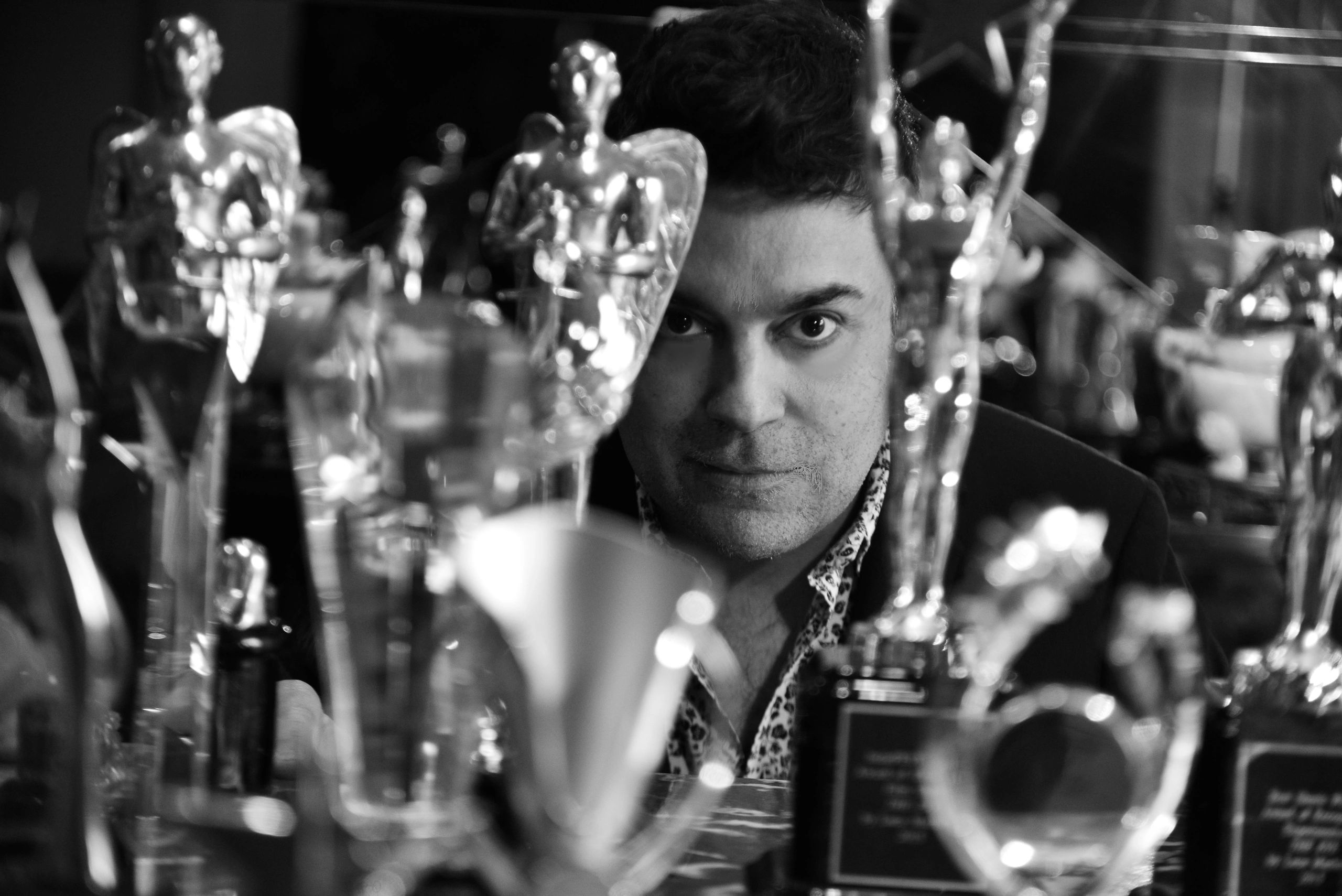
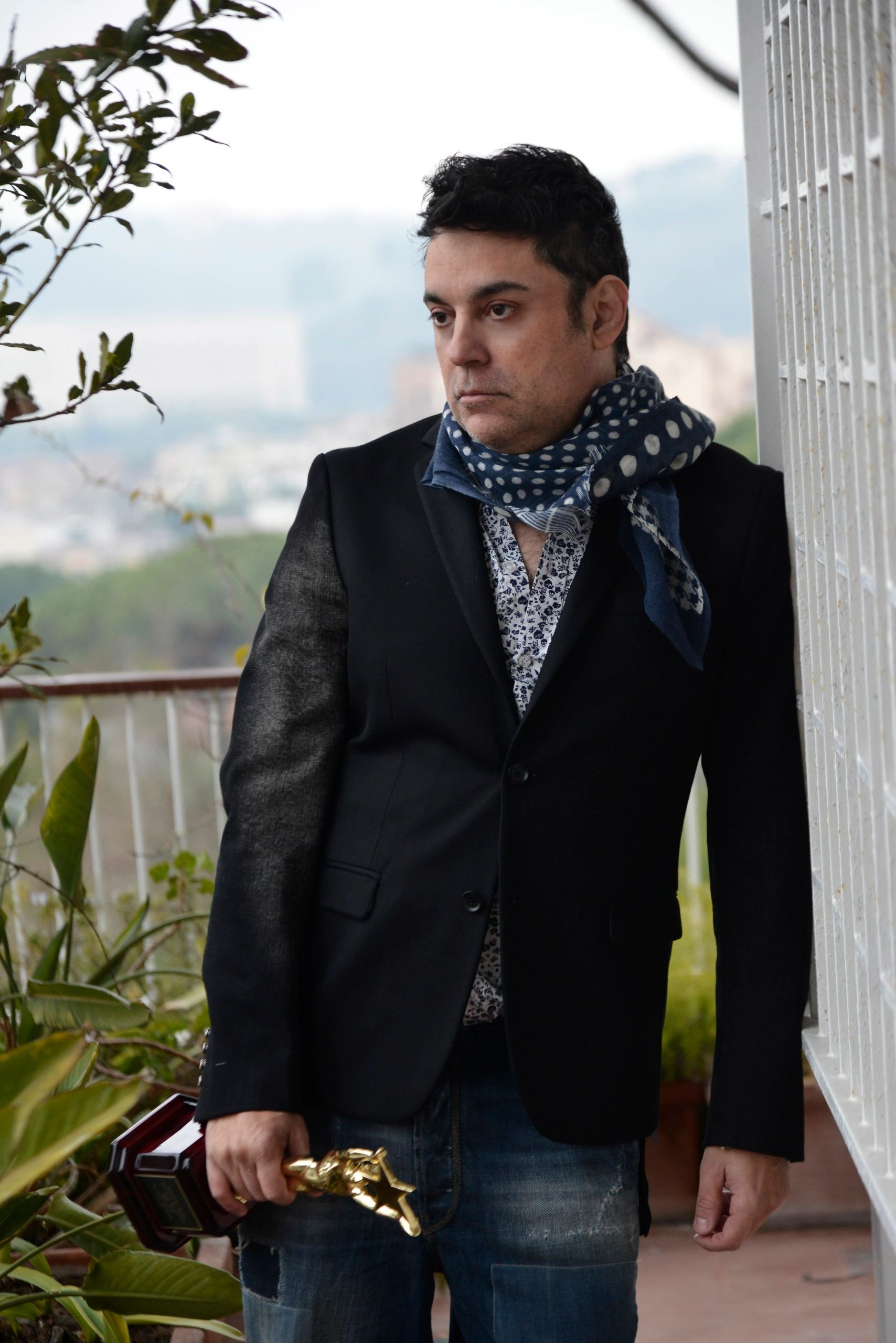
Luca Machnich Palmerini is a grandnephew of Anton Machnich, one of the movie pioneers in Italy, who opened the first movie theaters in Italy, in Romania and in Ireland (the latter in partnership with the famous writer James Joyce) in the early 19th century. He studied film direction at the Los Angeles Film School after working as a production assistant in several screen and TV movies (also with Ettore Scola). He authored "Spaghetti Nightmares", one of the best books on Italian fantasy and thriller movies which was published in Italy (M&P edizioni) and in the United States (Fantasma books). The extended Italian version was very much appreciated by the fans of the genre and the film critics.
What is the one absolutely necessary ingredient to being a good director?
Simple. In the words of Andrei Tarkovsky, you have to focus on something very personal, drawing on the inner world formed by your experiences, plus the legacy you’ve received from your family, society, religion and history.
Your first and last cinematographic crush?
Chronologically speaking, the first film to sweep me off my feet was "Fantasia"; by Walt Disney, an experience which captivated my senses with its fully orchestrated array of images and the masterfully elegant use of colour, while the most recent work I’ve fallen for is "Mother!"; by director Darren Aronofsky, a visual, allegorical, surreal film whose power comes from both the director’s technical prowess and the way in which Jennifer Lopez seamlessly identifies with her character. Aronofsky is one of the leading explorers of our modern-day obsessions, don’t you agree?
How old you were when you decided you wanted to be a director?
Ten. I began by making home movies with my sister, who unfortunately has passed away since.She played the part of an elf. I think it’s a pretty standard rite of passage for all directors to script and shoot movies with a little camera among their family and friends.
For you a Film is...
A gift of the spirit that the director offers to those watching in the theatre.
What do you feel when you're directing?
Both extremely attentive and tired, seeing that making films is one of the most difficult jobs in the world. Kubrick, for example, whom I consider to be the best filmmaker ever, would let years go by between one film and the next. He would shoot fifty or more takes of a given scene, and
then edit and reedit everything, until he had achieved an artist purity which, at times, was not initially rewarded, either at the box office or by the critics. When it comes to sheer skill in making films, he is an example and an inspiration for all of us.
If you could go to the movies with a beloved actor, what type of movie would you choose, and with whom would you watch it?
I would love to spend an evening at the movies with my favourite dark lady of the horror-film genre: Isabelle Adjani. Enthralled by her air of mystery, I would join her in watching
Possession, a film directed by the late, sorely missed Andrzej Zulawski. A tortured, inscrutable work, it is one of the more unsettling films I’ve ever seen, and I would hope to gain an even better understanding of its masterful staging, directing and editing. As for Isabelle’s performance, it is one of the landmarks of cinematic history.
Audrey Hepburn used to say “Nothing is Impossible”. Do you feel the same way?
Life is a never-ending set of variables, so anything can happen. Your luck can turn like a wheel of fortune, which means that anything is possible, as long as you catch the right moment.
Can you live on your passion alone?
Absolutely not.
What is more important, talent or luck?
Talent attracts luck, assuming you’ve prepared yourself properly along the way.
If you had to live on a desert island, and could bring just one movie with you...
It’s hard to say which masterpiece I’d select from the visionary films that, for a variety of reasons, are closest to my heart, but the candidates would include: Kubrick’s ";2001: A Space Odyssey"; and "The Shining";, plus "Fellini’s "8 1/2"; and "City of Women", as well as Parajanov’s "The Colour of Pomegranates";, and Tarkovsky’s "Mirror";
Have you ever agreed to direct a movie, even if you didn';t like the project?
It happened once, though it wouldn’t be fair to name the film. I was reluctant to go through with it because I didn’t feel personally attached to the project, which led to doubts over whether I could do the best possible job for the producer who had hired me. No other reason.
Whatt's the best compliment you’ve received on your work?
Being referred to as a rebellious filmmaker, due to my unquenchable yearning for experimentation, for pushing the boundaries of the genre of dreamy, fantastical films which
combine horror with creative extravagance.
Are you satisfied with your career?
I am very satisfied with my short film, which is still being shown in festivals, eight years after its premiere. It has won 1008 awards to date, a record for a debut film. Apart from that, it is still too early to say.
Do you have a good luck charm?
No, I’m not superstitious. I believe that there are positive people who can bring you luck, either directly or indirectly, and so you should stay close to them, both personally professionally,whereas the opposite is true for negative people
What is the worst type of situation to deal with on a set?
As I see it, when a star tries to grab control from the director, insisting that things be done the way he or she wants. Which is not to say that a good actor can’t offer worthwhile advice on dialogue, or even an entire script, something that I myself have experienced. The problem comes
self-centred, troublesome actors believe the film is being made for them and them alone. Before engaging an actor for a project, you need to take a good look not just at their talent, but at their personality too. Otherwise, you risk losing control of the film.
How do you feel when a project you've been a part of comes to an end?
I want to forget about it and move on to the next challenge, in order to keep growing. An artist should always be looking to develop further. Though, of course, you have to deal with the vagaries of the marketplace.
Have you ever lied to get a part or make a film happen?
No.
If you won an Oscar, your first thought would go to…
I would dedicate it to the memory of my great-grandfather Antonio Machnich, the man from whom I inherited my passion for the cinema. In 1989, he obtained the authorisations that he needed to show films in the theatres, outdoor spaces and indoor venues of the city of Trieste, and
he also worked in Vienna, as a consultant to the historic Pathé film company, helping to open the first movie theatres in Zagreb and in Dublin, where the great writer James Joyce was also involved in the founding of the "Volta Cinematograph"; a theatre which showed six different films a day, to the accompaniment of live music. He was especially active in Bucharest, where he wound up living to the end of his days, founding the"Volta Buzesti" and the "Bristol" theatres. He was an eclectic, courageous, towering figure in the history of cinema, someone considerably ahead of his time. You can read about him, in English, in the book "Roll Away the Reel World - James Joyce and Cinema"; by John McCourt.