
REVIEW
Girl on the ledge - review
Directed by Paul Arthur Rothman
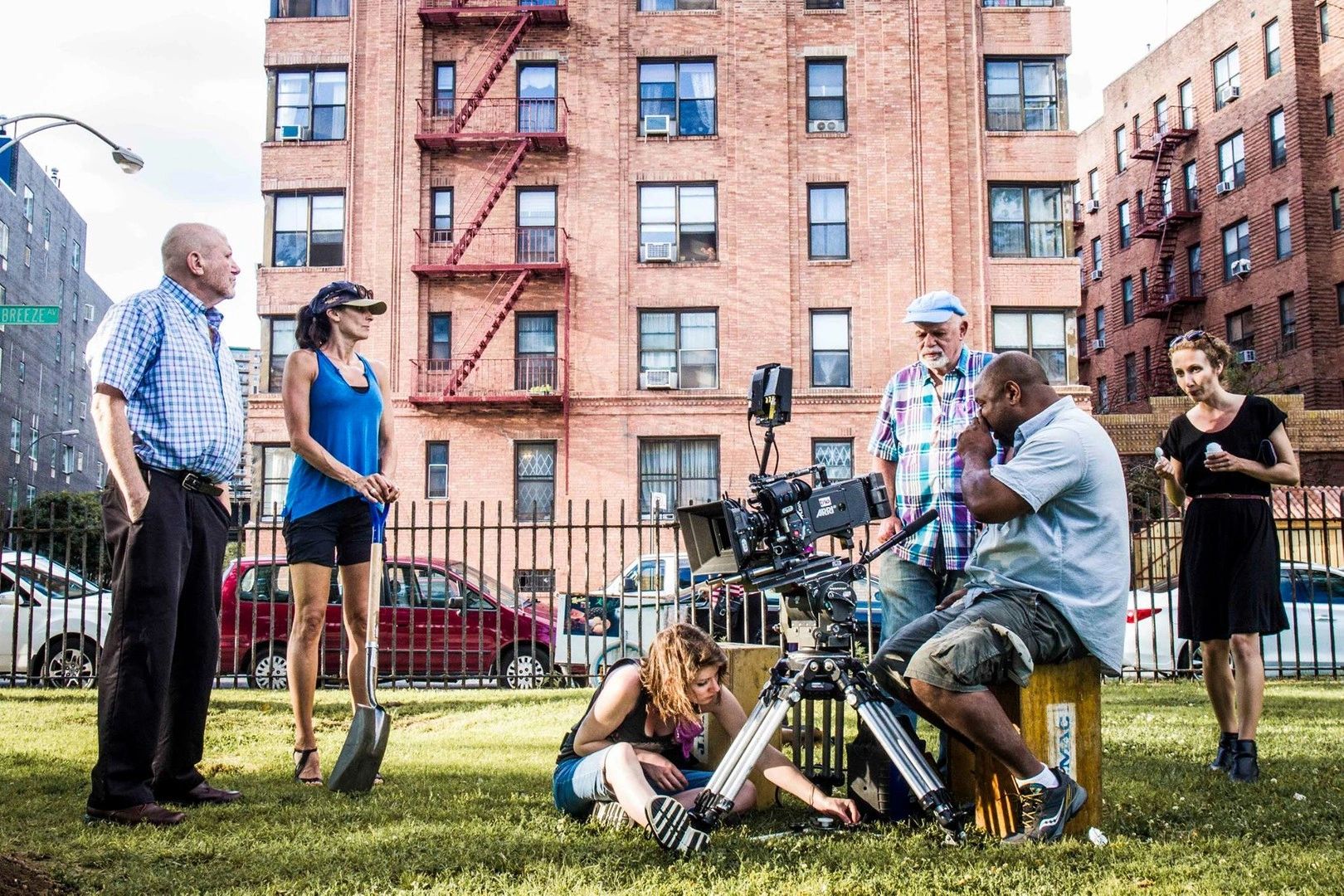
A compelling film about the relationship with others and with ourselves. Girl on the Ledge is a feature film by Paul Arthur Rothman that revolves around finding a balance between life and art.
Ana’s path is well paved from a very young age: married young to an older and successful photographer, she and her husband work together as fashion photographers in New York. But things are about to change.
Ana looks restless, she seems unsatisfied with her life. She realizes the path she put herself in is leading nowhere and needs to disrupt her whole world in order to find her true soul and be finally happy. But even then, she can’t seem to find the thing that can, in fact, make her happy.
A subway ride is her revealing moment, as she discovers the power of street photography. It’s almost as if Ana, lacking a story of her own, starts stealing other people’s stories by photographing them — “you’re stealing my soul!” yells a homeless man to Ana at the beginning of the film — thus creating a life that is somewhat meaningful to her.
And her upsetting search will go on for the rest of the film, leading her to a state of extreme misery, loneliness and desolation.
This film doesn’t follow a classical structure. It starts at the peak of Ana’s life — a nice house, a loving husband and a successful career — and soon after that her life spirals downwards, without any positive moments in which the audience can recover and breathe. The climax of the film happens 40 minutes in, when Ana’s true annihilation is triggered by an abuse and the loss of her father. And from that moment on, the film almost turns into a frightening and nightmarish halloween parade, where everyone is wearing a mask and seems to be living in a different world as Ana.
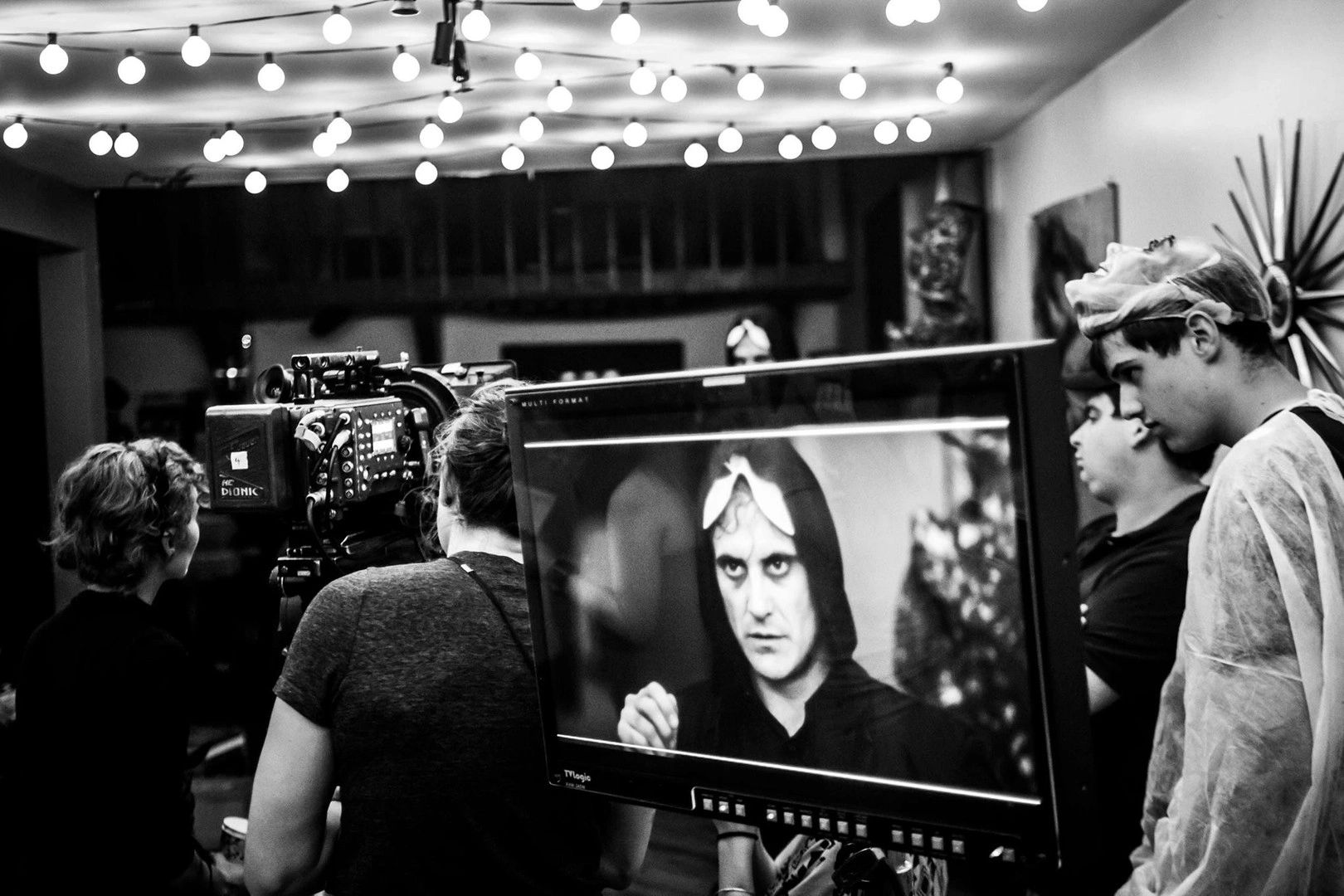
The images of young Ana, at the beginning and at the end of the film reveal an apprehension that was present in her eyes at an early age.
It’s very hard to write and direct a film that treats physical and mental illnesses, as well as death, whilst being able to avoid creating something that’s just over-the-top dramatic and too obvious. Here, most things are implied: a room filled with newspapers on the floor and curtains closed show a depression taking over; Ana’s body slowly getting thinner and paler suggest her disease; Ana spinning around in the middle of a parade is showing her mental health spiraling uncontrollably.
Rothmans direction is very elegant, and the writing is very well executed, leaving a lot of room for the actors to experiment and live.
It’s sad to think that the director, Paul Arthur Rothman, passed away before being able to see the beautiful result of his work. His son sure did whatever he could to take the best out of this film.
A film that’s well worth seeing!