
INTERVIEW
Espen Jan Folm &Caroline Skarpaas Myhrvold - Interview
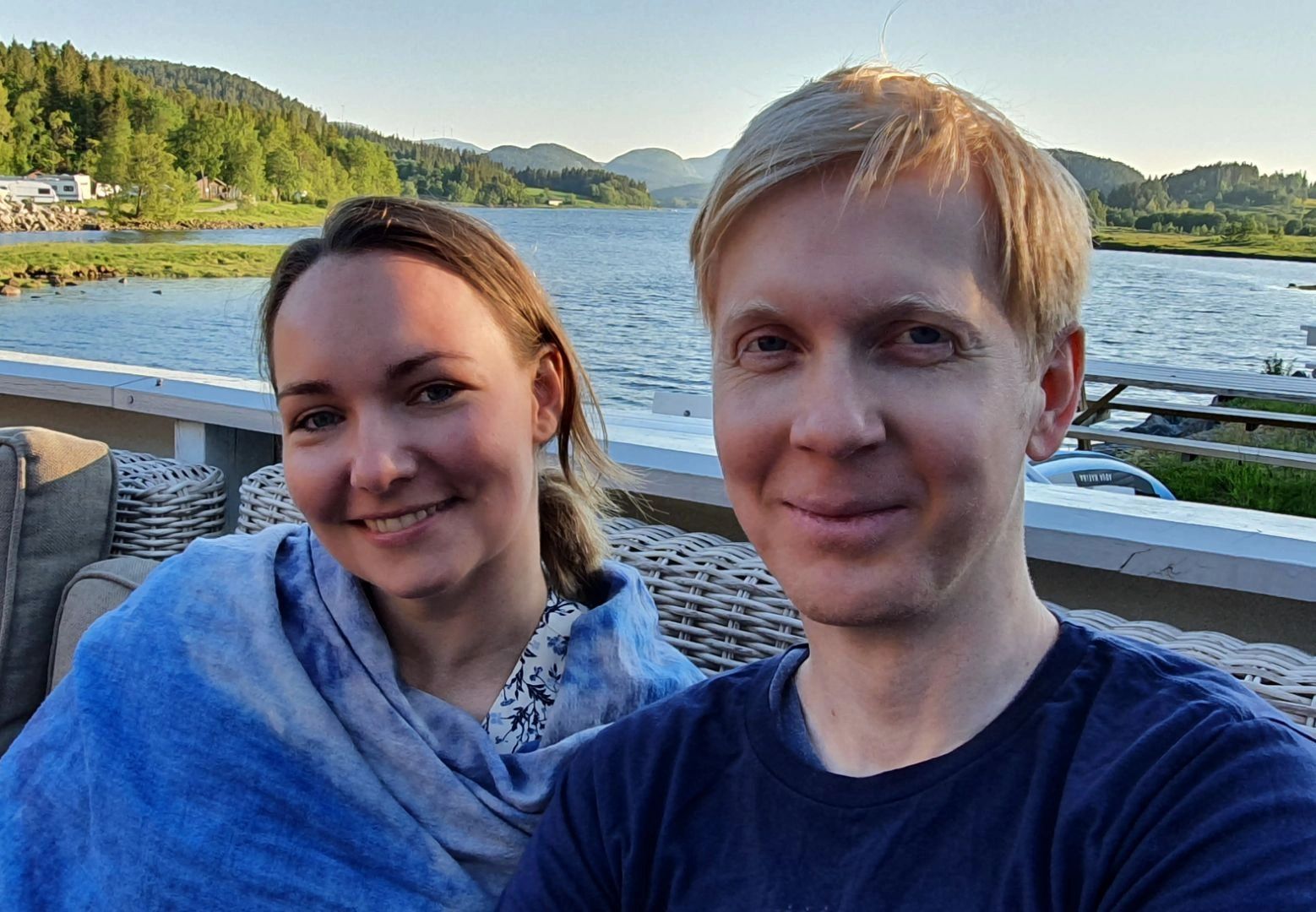
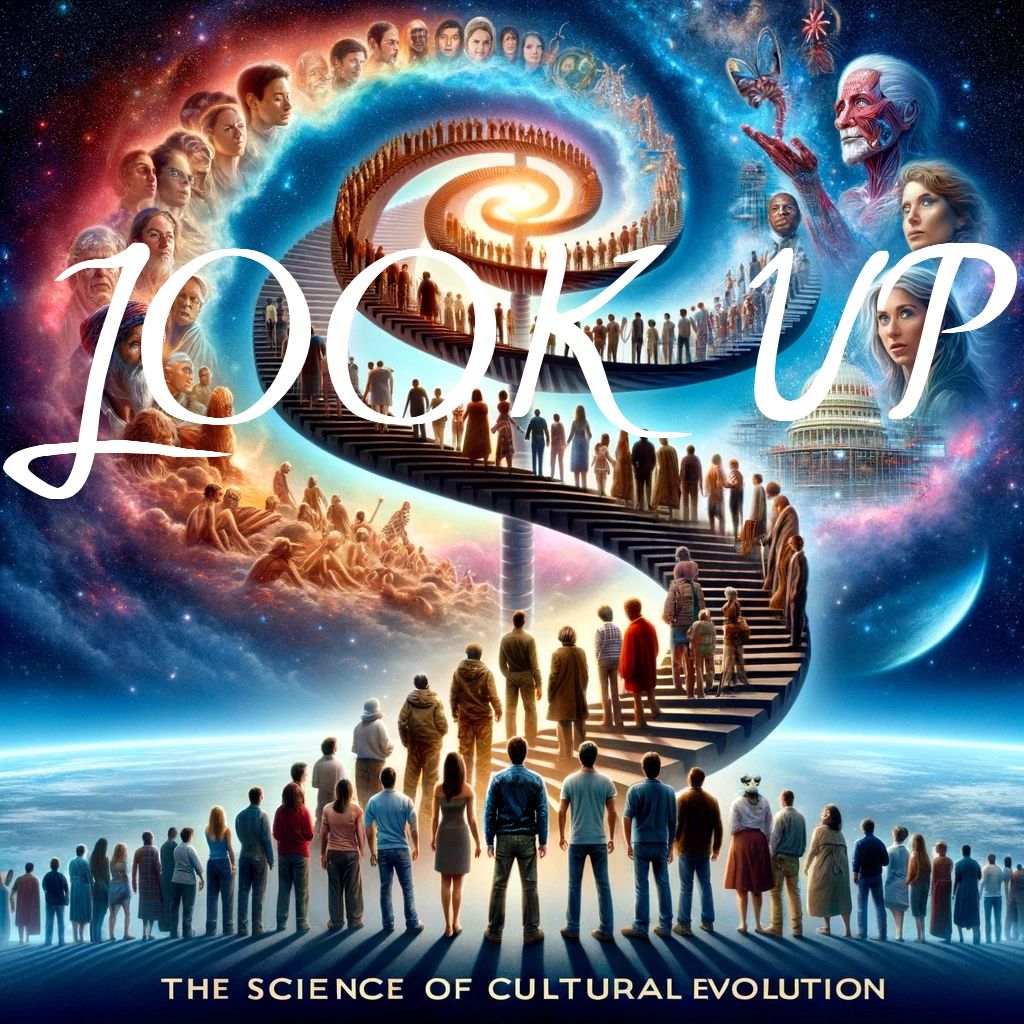
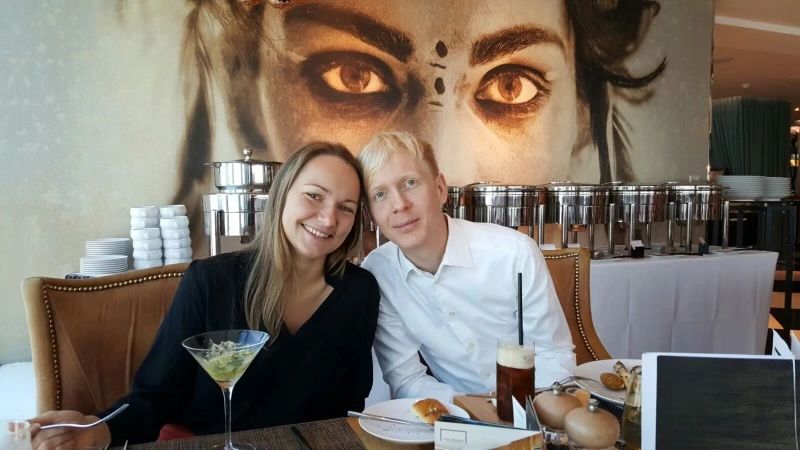
Norwegian co-directors Espen Jan Folmo, Ph.D. and Nini Caroline Skarpaas Myhrvold fuse psychology, cultural research and visual poetry into films designed to spark collective transformation. Folmo spent a decade leading Norway’s Quality Lab for Psychotherapy, advancing research on mentalization and cultural change, while Myhrvold’s background spans trauma-sensitive environmental therapy and executive studies at Hult International Business School. Their debut feature, LOOK UP—The Science of Cultural Evolution, distils cutting-edge science and mythic storytelling into an animated odyssey that has earned more than 100 international awards—including multiple Gold Awards at the Florence Film Awards, Best Educational Film at the Cannes World Film Festival, and Best Picture & Best Animation at the London Movie Awards.
The biggest challenge of being writer-directors?
Guarding the ember of vision while a thousand practical winds howl. Filmmaking is logistics married to luminosity; keeping those spouses faithful is daily tight-rope work over a canyon of deadlines.
Choose an actor, an actress, and a story you would direct with them:
Mahershala Ali and Rooney Mara in a cinema adaptation of Letters to a Young Poet: two souls exchanging decades-long correspondence, their inner seasons mapped as shifting cityscapes and constellations—a meditation on becoming.
Who was the first artist who made you realise you wanted this life?
Tarkovsky. One corridor of dripping water in Stalker whispered to our childhood selves: “Reality is editable.”
What excites you artistically or emotionally?
Thresholds—moments when identity moults: dawn light, a confession, the first breath of a newborn, the last note of a fugue. Any instant where becoming outweighs being.
Marlon Brando said, “Never confuse the size of your paycheck with the size of your talent.” Do you agree?
Absolutely. Talent is voltage; money is cable width. One without the other either fries the circuit or carries no current.
Have you ever been discouraged about your choices?
Often—especially by well-meaning voices worried for our stability. We thank them, compost the doubt, and let new shoots grow.
Is it harder for a woman to be a filmmaker today?
Yes. The gates were forged in an era of asymmetry and the hinges still creak. But tilt a camera and you invent Dutch angles: resistance can mutate into style.
Could fame or money distort your vision?
Only if we mistake applause for feedback. Success is caffeine: energising, but you don’t sip it after dark.
The movie star that first made you dream?
Max von Sydow facing Death across a chessboard in The Seventh Seal—existentialism as spectacle.
Make a wish for your career… That each new work frightens us a little more than the last.
How hard is it to remain completely honest in show-business?
As hard as carrying water in cupped hands across a desert—but possible if you walk slowly and refuse shortcuts.
The film you’ve loved the most? Groundhog Day—proof that enlightenment can wear a clown nose.
…and the one that annoyed you the most? Any algorithm-driven sequel that quotes without listening (names withheld for karmic courtesy).
Your biggest artistic goal?
To craft a film that functions like a koan—unsolvable yet awakening.
If not filmmakers, what profession would you attempt?
Architects of learning ecosystems—designing schools where curiosity is the curriculum.
How important is it to be rewarded as an artist?
A laurel is useful only as compost for the next planting. Recognition feeds morale; it must never become the meal.
Do you have regrets? Only the scenes we never shot because fear wore the mask of pragmatism.
What message do you want to express through your art?
That cooperation is evolution’s masterwork, and each heartbeat is an invitation to widen the circle.